Frequently Asked Questions
Everything you need to know before your Himalayan adventure
Planning Your Trek
When is the best time to trek in Nepal?
Autumn (September–November) and spring (March–May) are the two prime trekking seasons. Autumn is widely considered the best — skies are at their clearest after the monsoon rains have washed the dust from the air, temperatures are comfortable, and mountain views are spectacular. Spring brings rhododendrons in brilliant bloom along many trails and is equally popular.
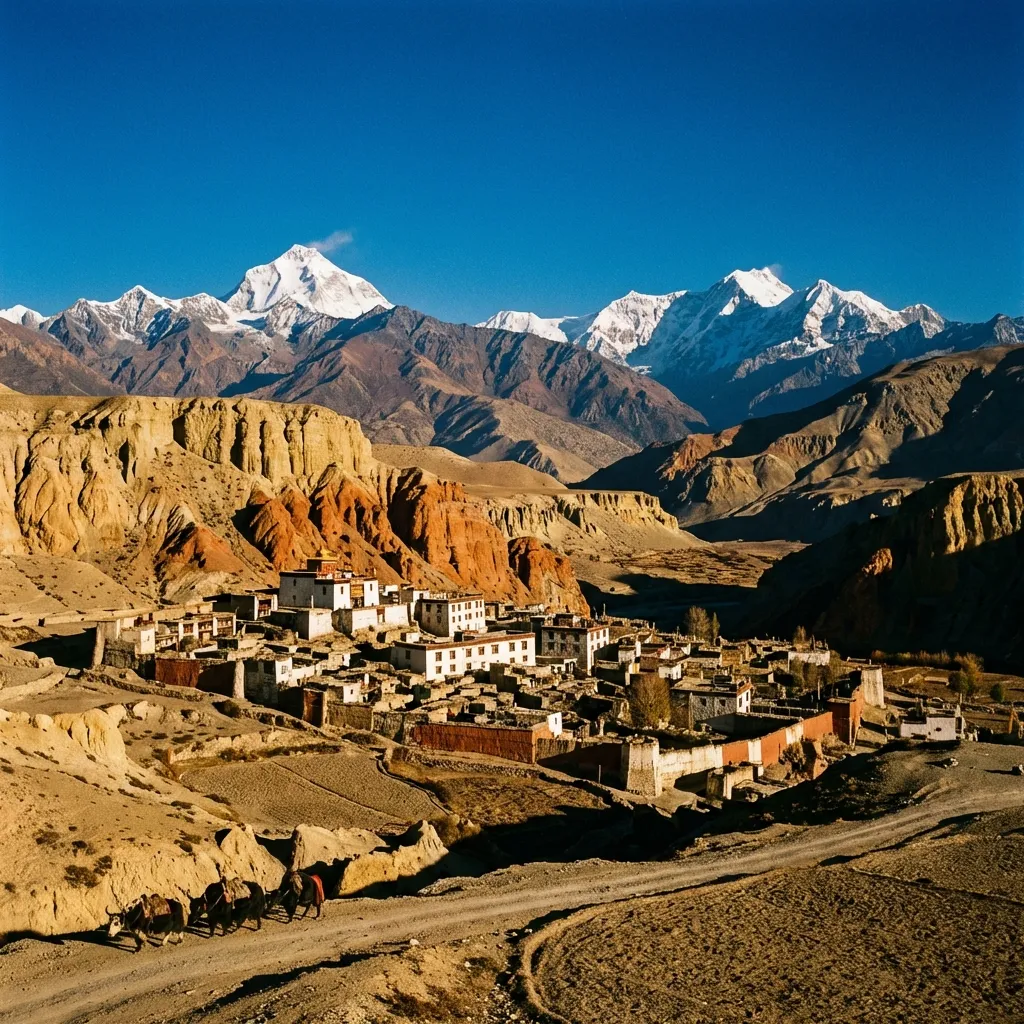
The monsoon (June–August) makes trails muddier and leeches more prevalent on lower routes, but it opens up the rain-shadow regions — Upper Mustang, Dolpo, and Nar-Phu — which are remarkably beautiful and uncrowded at that time. Winter trekking (December–February) is perfectly possible at lower altitudes, rewarding you with quiet trails and crisp, clear days, though high passes may be snow-covered and bitterly cold at night.
How fit do I need to be?
You don't need to be an athlete, but a reasonable level of fitness makes a significant difference to your enjoyment. Most trekking days involve 5–7 hours of walking on uneven terrain, often at altitude where the air is thinner than you're used to.
We recommend building up your cardiovascular fitness in the weeks before you travel — regular hiking, cycling, swimming, or even brisk daily walks all help. If you're unsure whether a particular route suits your current fitness level, tell us and we'll suggest something appropriate, or we can adjust the pace of your itinerary to give you more time where you need it.
Do I need a visa to visit Nepal?
Most nationalities can obtain a tourist visa on arrival at Tribhuvan International Airport in Kathmandu or at major road border crossings. Indian nationals do not require a visa. We recommend applying online through the official Nepal immigration portal before you travel — it saves time at the airport and means you arrive with one less thing to worry about.
Do I need trekking permits?
Yes — most trekking routes in Nepal require at least a TIMS card (Trekkers' Information Management System) and a National Park or Conservation Area permit. Restricted areas such as Upper Mustang, Manaslu, and Tsum Valley require additional special permits, and these must be obtained before you enter.
We handle all permit arrangements once you've booked with us. There's no need to navigate the bureaucracy yourself.
How do I book a trek with Himalayan Journey?
The easiest way to start is simply to get in touch — through our contact form, by email, or on WhatsApp. Tell us which trek interests you, your preferred dates, group size, and any specific needs or questions. Kabi will reply personally and we'll work out the details together.
Once we've agreed on an itinerary, we ask for a deposit to confirm your booking, with the balance due closer to departure. We accept bank transfer and major credit cards. Everything — permits, guide, porter, accommodation, and meals on the trail — is arranged by us.
Are there domestic flights involved, and what are the baggage limits?
Some treks begin or end with a domestic flight — most notably the Kathmandu–Lukla flight for Everest region treks, which is one of the most spectacular (and famously short) flights in the world.
Baggage allowances on domestic mountain routes are strict: typically 15 kg checked plus a small carry-on. This is significantly less than international allowances, so pack accordingly. If you have more luggage, excess can be stored securely at your hotel in Kathmandu or Pokhara during the trek. We'll brief you fully on flight logistics after booking.
What travel insurance do I need?
Comprehensive travel insurance is non-negotiable for trekking in Nepal. Make sure your policy covers:
- High-altitude trekking — ideally to the maximum elevation of your specific route
- Emergency helicopter evacuation
- Medical treatment and hospitalisation
- Trip cancellation and curtailment
Note that travel insurance cannot be purchased inside Nepal, so you must arrange it before leaving home. Keep a copy of your policy details and your insurer's 24-hour emergency number somewhere easily accessible throughout your trip.
On the Trek
What is tea house trekking?
Tea house trekking is the most popular style of trekking in Nepal, and it's what we offer on most of our routes. Rather than carrying tents and cooking equipment, you walk from village to village and stay each night in a small, family-run lodge called a tea house. They provide a bed and simple, hearty meals cooked fresh each day.
It's a wonderfully immersive way to travel — you sleep in local homes, eat local food, and wake up each morning to the mountains. Far more connected to the place than camping ever could be.
What will my accommodation be like?
Tea houses vary from very basic to surprisingly comfortable, depending on the route and altitude. Lower-altitude, well-trodden routes like the Annapurna Circuit have lodges with private rooms and en-suite bathrooms. The higher and more remote you go, the simpler things become — shared bathrooms and twin-bed rooms are the norm at elevation.
Every tea house will have a mattress and pillow. We recommend bringing a lightweight sleeping bag liner for extra warmth and cleanliness, especially at altitude.
What food is available on the trail?
Tea house menus are more varied than most people expect. Dal bhat (lentil soup with rice and vegetables) is the Nepali staple and an excellent choice — most lodges offer unlimited refills, and it gives you the energy you need for long days on the trail. Pasta, noodles, soups, fried rice, eggs, porridge, and fresh bread are all widely available.
We recommend eating vegetarian food on the trail. Meat is difficult to keep fresh at altitude where refrigeration is limited, and vegetarian meals are generally safer and easier to digest after a demanding day of walking. Avoid raw vegetables and uncooked foods to reduce the risk of stomach upsets.
Is the water safe to drink?
Tap water, river water, and stream water should not be drunk without treatment, regardless of how clean it looks. We recommend using water purification tablets or a filter bottle — both are lightweight, inexpensive, and highly effective. You can also buy bottled water at tea houses, though prices rise with altitude and the plastic waste is an increasing environmental problem in the mountains.
Aim to drink 3–5 litres of water per day, especially above 3,000 metres. Staying well hydrated is one of the most effective ways to prevent altitude sickness.
Is WiFi available on trek?
WiFi is available at most tea houses on the main routes — the Annapurna and Everest regions in particular — though speeds are often slow and connections can drop without warning. Don't count on video calls or anything bandwidth-heavy.
For more reliable connectivity, consider buying a Nepali SIM card in Kathmandu or Pokhara before you set off. NTC (Nepal Telecom) has better coverage in the Annapurna region; Ncell generally works better in the Everest region. You'll need your passport, a copy of your visa, and a passport-size photo to purchase one.
Are ATMs available on the trail?
ATMs are only available in a handful of larger trail towns — Namche Bazaar on the Everest route and Jomsom on the Annapurna route are the main ones. Beyond those points, you are in cash-only territory for the duration of your trek.
Always withdraw enough Nepali rupees in Kathmandu or Pokhara to cover your entire trek. Budget for snacks, drinks, hot showers, device-charging fees, and tips for your guide and porter.
Will I be able to charge my devices?
Most tea houses have some form of electricity, though at higher altitudes it often depends on solar panels — meaning availability can vary with the weather. Charging your devices typically costs a small fee (50–200 rupees per charge is typical).
Bring a power bank and charge it whenever you have access to a reliable socket. A universal travel adapter is useful for the early part of your trip in Kathmandu and Pokhara.
Altitude & Health
What is altitude sickness and how do I avoid it?
Acute Mountain Sickness (AMS) occurs when you ascend too quickly and your body doesn't have sufficient time to adjust to the lower oxygen levels at altitude. It typically begins above 3,000 metres and can affect anyone, regardless of age, fitness, or previous trekking experience.
Common symptoms include headache, nausea, fatigue, dizziness, and poor sleep. In rare but serious cases it can progress to High-Altitude Pulmonary Edema (HAPE) or High-Altitude Cerebral Edema (HACE), both of which are medical emergencies requiring immediate descent and evacuation.
The golden rules are straightforward: ascend gradually, never push through symptoms, and descend immediately if your condition worsens. Our itineraries are designed with proper acclimatisation built in — including rest days at critical elevations. Your guide is trained to monitor your wellbeing and will always put your safety above reaching a summit.
Should I take Diamox?
Diamox (Acetazolamide) is a prescription medication that can help your body acclimatise faster and reduce AMS symptoms. Some trekkers find it very useful; others prefer not to use medication.
Importantly, Diamox is not a cure for AMS and should never be used as justification for skipping acclimatisation days or ascending faster than your body can handle. The most reliable prevention remains a slow, steady ascent with adequate rest.
We recommend consulting your doctor before your trip. They can advise on the appropriate dosage and whether Diamox is suitable given your medical history.
Is helicopter evacuation possible if I get sick?
Yes. In the event of a serious medical emergency, helicopter evacuation is available from most trekking regions in Nepal. This is precisely why comprehensive travel insurance with emergency evacuation cover is so important.
Your guide carries a communication device and knows the evacuation procedures. If an evacuation is needed, we will contact your insurance company and coordinate everything on your behalf so you can focus on getting well.
What vaccinations should I get before coming?
We recommend visiting a travel health clinic or your GP at least 4–6 weeks before your departure. Commonly recommended vaccinations for Nepal include Hepatitis A and B, Typhoid, Tetanus, and Rabies (especially if you'll be spending extended time in rural areas). Your doctor may also recommend Japanese Encephalitis depending on the time of year and your itinerary.
For the most up-to-date recommendations, check the travel health guidance published by your country's health authority.
Guides & Porters
What does a guide actually do?
A great guide is the difference between simply walking through a landscape and truly understanding it. Your guide navigates the route, monitors your health and pace, communicates with locals on your behalf, and enriches every step of the journey with their knowledge of the mountains, culture, history, and ecology.
Kabi personally knows every guide we work with. All of our guides are licensed by the Nepal government, experienced on their routes, and fluent in English. More importantly, they genuinely care about the people they guide.
Do I need a porter?
We strongly recommend hiring a porter, especially on treks of four days or more. A porter carries your main bag (up to 15–18 kg), leaving you to walk with just a small day pack — passport, cash, camera, snacks, sunscreen, and a rain jacket — typically around 3–5 kg.
Porters make your trek more enjoyable and allow you to focus on the experience rather than the weight on your back. They also provide meaningful, skilled employment for people from mountain communities who know the trails better than anyone.
Are your guides and porters properly looked after?
Yes, without compromise. All of our guides and porters are insured, paid fair wages, and provided with appropriate equipment for the conditions. We don't treat them as an afterthought — they are professionals and the foundation of every successful trek.
Many of the people we work with have been part of the Himalayan Journey family for years, and Kabi knows each of them personally. If you ever have any concerns about the welfare of your crew, please tell us immediately.
Can I trek without a guide?
Independent trekking is permitted on many routes in Nepal, and some experienced trekkers choose to go alone. That said, we always recommend trekking with a licensed guide — not just for safety, but because a good guide fundamentally improves the experience. They unlock layers of the landscape, culture, and people that you simply can't access on your own.
For restricted areas including Upper Mustang, Manaslu, and Tsum Valley, a licensed guide is legally required.
Will I be trekking with other people?
We offer both private and small-group treks. Most of our bookings are private — meaning it's just you (and your travel companions, if any) with your dedicated guide and porter. This gives you complete flexibility over pace, rest days, and route adjustments.
If you're a solo traveller open to joining others, we can sometimes arrange small shared groups of 2–6 people. Let us know your preference when you get in touch and we'll find the right fit.
Gear & Packing
What gear should I bring?
The essentials for most treks include: well-broken-in waterproof hiking boots, moisture-wicking base layers, a warm mid-layer (down jacket or fleece), a waterproof shell jacket, trekking trousers, a sun hat, a warm hat and gloves, high-UV-protection sunglasses, high-SPF sunscreen (the sun at altitude is intense), and a reliable headlamp.
For higher-altitude routes, you'll also want thermal underlayers and a warm sleeping bag. We send every guest a detailed packing list tailored to their specific route and season after they book.
Can I buy or rent gear in Nepal?
Absolutely. Kathmandu's Thamel neighbourhood and Pokhara's Lakeside area both have excellent trekking gear shops offering a wide range of equipment — genuine branded kit alongside good-quality local alternatives at very reasonable prices. Sleeping bags, down jackets, and trekking poles are all available to rent.
For trusted branded gear, look for shops stocking The North Face, Columbia, Sherpa Adventure Gear, or Red Fox. For anything that needs to perform reliably in cold or demanding conditions, it's worth spending a little more for quality you can count on.
Are trekking poles useful?
Very much so, particularly on descents. Poles significantly reduce the load on your knees, improve your balance on rocky or uneven ground, and help you establish a steady walking rhythm. If you don't own a pair, they're inexpensive to buy or rent in both Kathmandu and Pokhara.
How much water should I carry?
Carry at least one litre with you at all times and refill at tea houses along the route. At altitude, aim for 3–5 litres per day — dehydration accelerates the effects of altitude sickness, so drinking more than you feel you need is always the right call.
Always purify or filter any water before drinking if it's not bottled or freshly boiled.
Culture & Etiquette
How do I show respect for local culture?
Nepal's mountain communities are deeply rooted in Buddhist and Hindu traditions, and a little awareness goes a long way.
- Always walk clockwise around stupas, mani walls, and prayer wheels
- Remove your shoes before entering temples, monasteries, and private homes
- Dress modestly — cover your shoulders and knees in religious sites and village settings
- Always ask permission before photographing people, especially monks or during ceremonies
- Learn a few words of Nepali — even just "Namaste" and "Dhanyabad" (thank you) will earn you genuine warmth
- Avoid public displays of affection
If you're ever unsure about what's appropriate, watch what the locals do and follow their lead.
Should I give money or gifts to children?
Please don't. Giving money, sweets, or gifts directly to children — however well-intentioned — encourages begging and can cause genuine harm to local communities over time.
If you want to contribute positively, buy locally made crafts, eat at family-run tea houses rather than large commercial lodges, and tip your guide and porter generously at the end of your trek. That money stays in the community, supports local families, and creates a sustainable cycle that benefits everyone.
Still have questions?
Kabi personally reads and replies to every message. Get in touch and we'll help you plan the perfect trek.
Get in Touch