

Nepali Festivals
A year of family gatherings, sacred traditions and community celebrations
Culture & traditions
A year of colour.
A lifetime of tradition.
From the lamps of Tihar to the chariots of Bisket Jatra, Nepal’s festivals bring together faith, food, family and the changing seasons. Explore 23 celebrations and the communities that keep their traditions alive.
Find your festival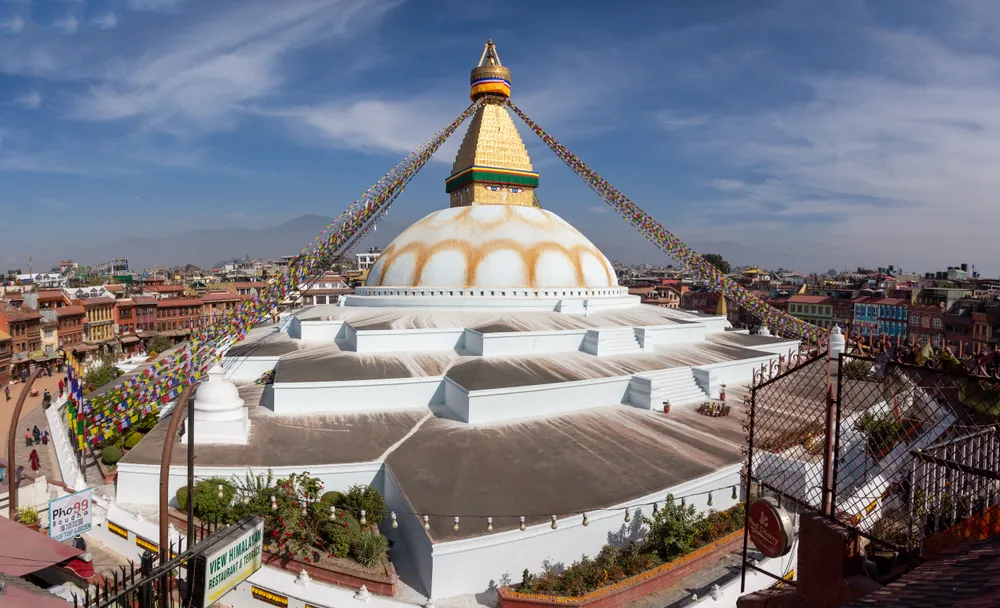
Plan by season
When are the festivals?
Usual Gregorian months, arranged roughly through the year. Choose a festival to read about its traditions.
| Festival | Usually celebrated |
|---|---|
| Sonam Lhosar | January–February |
| Maghe Sankranti | Mid-January |
| Maha Shivaratri | February–March |
| Holi Purnima | February–March |
| Gyalpo Lhosar | February–March |
| Ram Navami | March–April |
| Ghode Jatra | March–April |
| Buddha Jayanti | April–May |
| Ubhauli Festival | April–May |
| Bisket Jatra | April |
| Tongue Piercing Festival in Bode | April |
| Ropain Jatra | Late June |
| Festival | Usually celebrated |
|---|---|
| Janai Purnima | July–August |
| Teej | August–September |
| Indra Jatra | August–September |
| Gai Jatra | August–September |
| Krishna Janmashtami | August–September |
| Dashain and Vijaya Dashami | September–October |
| Tihar | October–November |
| Chhath Parva | October–November |
| Udhauli Festival | November–December |
| Yomari Punhi | November–December |
| Tamu Lhosar | Late December |
The stories behind the celebrations
Discover the festivals
Explore the rituals, food and meaning behind each celebration.
Dashain and Vijaya Dashami
Timing: Vijaya Dashami, the main tika day, is the tenth day of Dashain.
Dashain is Nepal’s longest and most widely celebrated festival. Usually observed in September or October, Dashain honors Goddess Durga and symbolizes the victory of good over evil. It is also one of the most important occasions for family reunions, blessings, traditional rituals, and festive gatherings across Nepal.
The festival begins with Ghatasthapana, when families sow barley seeds to grow jamara in a sacred place at home. The growing jamara symbolizes life, prosperity, and blessings and is later used during the tika ceremony.
The seventh day, Fulpati, marks an important stage of the celebrations, with sacred flowers, plants, and ritual objects brought into homes. Maha Ashtami and Maha Navami, the eighth and ninth days, are marked by special worship of Goddess Durga. In communities where the tradition is observed, animal sacrifices may be offered as part of religious rituals. On Maha Navami, vehicles, tools, and machinery are also traditionally worshipped for protection and success.
The tenth day, Vijaya Dashami, is the most important day for many families. Elders place red tika and jamara on the foreheads of younger relatives and give blessings for health, happiness, prosperity, and long life. People often travel to their ancestral homes, making Dashain a special time for family reunions.
The festival continues with visits to relatives, traditional feasts, blessings, and celebrations before concluding with Kojagrat Purnima. Dashain represents faith, family, gratitude, and togetherness and offers visitors a meaningful insight into Nepal’s cultural heritage.
Back to the festival calendar ↑Tihar
Timing: Celebrated over several days, with different rituals on each day.
Tihar, also known as the Festival of Lights, is one of Nepal’s most colorful and beloved festivals. Celebrated over five days, usually in October or November, Tihar celebrates light, prosperity, nature, animals, and family relationships. Homes are decorated with oil lamps, candles, electric lights, colorful rangolis, and flower garlands.
The festival begins with Kag Tihar, when crows are offered food and worshipped as messengers associated with Yama, the god of death. The second day, Kukur Tihar, celebrates dogs, which are adorned with marigold garlands and tika and offered special food in recognition of their loyalty and companionship.
The third day is Gai Tihar and Laxmi Puja. Cows are honored, while in the evening families worship Goddess Laxmi, the goddess of wealth and prosperity. Homes are thoroughly cleaned and illuminated, and traditional footprints are often created to symbolically welcome Laxmi into the house.
The fourth day includes the worship of oxen in many communities, while the Newar community celebrates Mha Puja, the worship of the self. The festival concludes with Bhai Tika, when sisters and brothers celebrate their special bond through tika, blessings, gifts, and shared meals.
Tihar is a celebration of gratitude, light, family, and harmony between humans, animals, and nature. Its glowing homes, traditional music, festive food, and joyful gatherings make it one of Nepal’s most beautiful cultural experiences.
Back to the festival calendar ↑Teej
Teej is one of Nepal’s most vibrant festivals, traditionally celebrated primarily by women during the month of Bhadra, usually in August or September. Dedicated to Goddess Parvati and Lord Shiva, Teej combines religious devotion with music, dancing, family gatherings, and expressions of womanhood and community.
The celebrations traditionally begin with Dar, a special feast held before the main fasting day. Women gather with mothers, sisters, relatives, and friends to enjoy traditional food, sing, dance, and share time together. For many women, Teej is also an opportunity to return to their parental homes and reconnect with their families.
On the main day, women visit Shiva temples and offer flowers, fruits, and other offerings. Traditionally, many observe a fast while praying for the health and long life of their husbands, while unmarried women may pray for a suitable life partner. Practices vary between individuals and communities.
Music and dancing are an essential part of Teej. Women gather in groups wearing red clothing and traditional jewelry and sing songs expressing experiences of marriage, family, love, social life, and women's aspirations.
The celebration is traditionally followed by Rishi Panchami, when women worship the Seven Sages and participate in purification rituals.
Today, Teej has also become an important occasion for women to celebrate friendship, solidarity, identity, and social awareness. Through its colorful clothing, devotional rituals, music, dance, and gatherings, Teej offers visitors a fascinating insight into the traditions and evolving cultural identity of Nepali women.
Back to the festival calendar ↑Maha Shivaratri
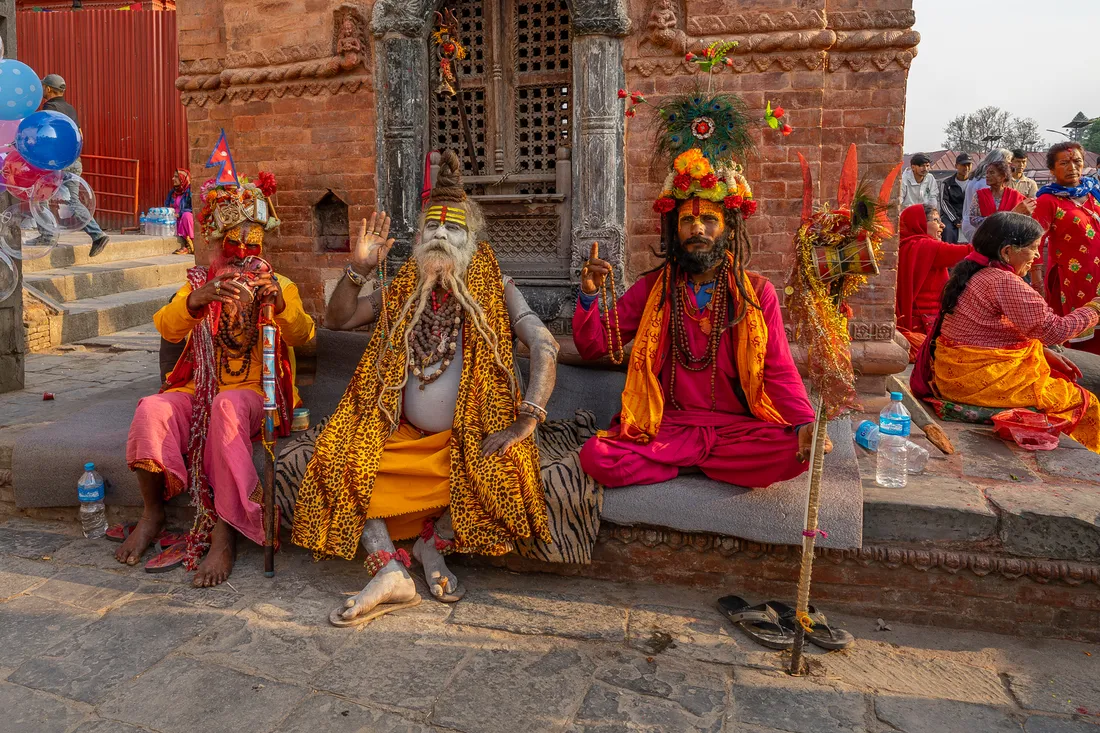
Maha Shivaratri, meaning the “Great Night of Shiva,” is one of Nepal’s most important Hindu festivals. Usually celebrated in February or March, the festival is dedicated to Lord Shiva and is observed through fasting, prayer, meditation, temple visits, and night-long worship.
The most important center of Maha Shivaratri celebrations in Nepal is Pashupatinath Temple in Kathmandu, where thousands of devotees and pilgrims gather from Nepal and neighboring countries. Devotees offer Bilva leaves, milk, water, flowers, and other offerings to the Shiva Lingam while chanting sacred prayers and mantras.
Many devotees observe a fast throughout the day and remain awake during the night, continuing prayers, meditation, and worship. Temples are illuminated and filled with devotional music and chanting, creating a deeply spiritual atmosphere.
Maha Shivaratri is also associated with sadhus and Hindu ascetics, many of whom gather at Pashupatinath during the festival. Religious ceremonies, processions, devotional music, and cultural activities take place in different parts of Nepal.
Beyond its religious significance, Maha Shivaratri is a time for spiritual reflection, devotion, discipline, and renewal. Experiencing the festival provides visitors with an opportunity to witness one of Nepal’s most important living Hindu traditions and the deep spiritual connection between the country’s people and its sacred temples.
Back to the festival calendar ↑Holi Purnima
Timing: Kathmandu and the hills celebrate first; the Terai traditionally celebrates the following day.
Holi Purnima, also known as the Festival of Colors, is one of Nepal’s most joyful and vibrant celebrations. Usually observed in February or March during the full moon of Falgun, Holi welcomes the arrival of spring and celebrates happiness, friendship, love, and togetherness.
Holi is celebrated differently across Nepal. In the hill and mountain regions, including Kathmandu, celebrations traditionally take place one day before those in the Terai plains. In Kathmandu, the festival begins with the ceremonial raising of the chir pole at Basantapur Durbar Square, marking the beginning of the celebrations.
On the main day, people gather with family, friends, neighbors, and communities to play with colorful powders and water. Faces and clothes become covered in bright colors as people exchange greetings, music fills the streets, and communities come together in a joyful atmosphere.
Holi is traditionally associated with the story of Prahlada and Holika and symbolizes the triumph of good over evil. It also represents the arrival of spring and the renewal of life.
Families and communities prepare festive foods and sweets, while music, dancing, and gatherings continue throughout the day. Beyond its playful atmosphere, Holi carries a message of friendship, harmony, equality, and renewal.
For visitors, Holi offers a lively and colorful opportunity to experience one of Nepal’s most energetic celebrations and the warmth of Nepali community life.
Back to the festival calendar ↑Chhath Parva
Chhath Parva, also known as Chhath Puja, is one of the most important festivals dedicated to Surya, the Sun God. It is especially significant in Nepal’s Terai and southern regions and is also celebrated by communities throughout the country. Usually observed in October or November, Chhath is a time of devotion, purity, gratitude, family well-being, and respect for nature.
The festival begins with preparations involving the cleaning of homes and worship areas. Devotees follow traditional practices of purity and prepare special foods and offerings.
During Kharna, devotees observe a fast and prepare offerings such as fruits, sweets, and traditional foods. The most important rituals take place beside rivers, ponds, and other water bodies.
During Sandhya Arghya, devotees gather at sunset to offer prayers and offerings to the setting sun. Fruits, sugarcane, sweets, and Thekua, a traditional Chhath delicacy, are arranged as offerings.
Before sunrise the following morning, devotees return to the water for Usha Arghya, offering prayers to the rising sun. After the morning rituals, the fast is traditionally broken and offerings are shared with family and community members.
Some devotees observe a strict fast, sometimes without food or water for an extended period, although practices vary according to individual circumstances.
Chhath reflects a deep respect for the sun, water, earth, and natural cycles that sustain life. Its peaceful riverside rituals, traditional songs, family gatherings, and strong community participation make it one of the most meaningful cultural celebrations of Nepal’s Terai communities.
Back to the festival calendar ↑Buddha Jayanti
Buddha Jayanti, also known as Buddha Purnima, is one of Nepal’s most important Buddhist festivals. Celebrated on the full moon of Baisakh, usually in April or May, the festival commemorates the birth, enlightenment, and passing away of Siddhartha Gautama Buddha.
Nepal holds a unique place in Buddhist tradition as the birthplace of Buddha. The most important pilgrimage destination during Buddha Jayanti is Lumbini, where devotees, monks, and visitors from Nepal and around the world gather at the Maya Devi Temple and surrounding monasteries.
The sacred sites are decorated with flowers, prayer flags, butter lamps, and Buddhist symbols. Devotees offer prayers, light lamps, burn incense, walk around stupas, and listen to Buddhist teachings.
In Kathmandu, important Buddhist sites such as Boudhanath and Swayambhunath also become major centers of celebration. Monks and devotees participate in prayers, chanting, meditation, and religious ceremonies.
Buddha Jayanti is also a time to practice compassion, generosity, mindfulness, and non-violence. Many people make charitable offerings and support monks, communities, and people in need.
Beyond its religious significance, Buddha Jayanti celebrates Nepal’s rich Buddhist heritage and the universal values associated with Buddha’s teachings. The peaceful atmosphere of monasteries, stupas, prayers, and pilgrimage sites provides visitors with a meaningful experience of Nepal’s spiritual traditions.
Back to the festival calendar ↑Ubhauli Festival
Ubhauli Festival, also known as Ubhauli Sakela, is an important seasonal festival of the Kirat communities, particularly the Rai people and other Kirat groups. Usually celebrated in April or May around the full moon of Baisakh, Ubhauli marks the beginning of the agricultural season and celebrates nature, farming, community, and cultural identity.
The festival reflects the close relationship between the Kirat people and the natural environment. Traditionally, the warmer season is associated with movement toward higher areas and the beginning of agricultural activities. Communities offer prayers for fertile land, favorable weather, healthy crops, and prosperity.
The central feature of Ubhauli is the Sakela dance. Men, women, elders, and children gather in open spaces and dance together in large circles. The movements represent elements of nature, agriculture, animals, hunting, daily life, and human activities. Traditional drums and instruments provide the rhythm.
Communities also perform rituals and make offerings to honor nature, ancestors, and spiritual forces. These traditions express the importance of maintaining harmony between people, their ancestors, and the natural world.
Ubhauli is celebrated in the eastern hills of Nepal and in urban areas such as Kathmandu, where Kirat communities gather to maintain their cultural traditions.
Through traditional clothing, music, dance, rituals, food, and community gatherings, Ubhauli celebrates nature, agriculture, ancestry, and cultural identity while passing traditions from one generation to the next.
Back to the festival calendar ↑Udhauli Festival
Udhauli Festival, also known as Udhauli Sakela, is an important seasonal festival of the Kirat communities of Nepal, particularly the Rai and other Kirat groups. Usually celebrated in November or December around the full moon of Mangsir, Udhauli marks the end of the agricultural season and traditionally accompanies movement toward lower and warmer areas during winter.
The festival expresses gratitude to nature and the ancestors for a successful harvest. It reflects the traditional relationship between Kirat communities, agriculture, seasonal changes, and the natural environment.
The heart of the celebration is the Sakela dance, performed by people of all generations in large circles. The movements represent agriculture, nature, animals, hunting, daily activities, and different aspects of human life. Traditional drums and instruments accompany the dancers.
Religious rituals and offerings are also performed to seek blessings for health, protection, peace, and prosperity. These practices reflect the importance of harmony between people, nature, ancestors, and spiritual traditions.
Udhauli is particularly prominent in the eastern hills, where Kirat communities have deep cultural roots, but it is also celebrated in Kathmandu and other urban areas by people living away from their ancestral homes.
Family gatherings, traditional food, music, and cultural performances make the festival a time of community connection. Udhauli provides an opportunity for younger generations to learn traditional customs and strengthen their cultural identity.
The festival is ultimately a celebration of harvest, nature, ancestry, community, and the changing seasons.
Back to the festival calendar ↑Yomari Punhi
Yomari Punhi is a cherished festival of the Newar community, celebrated mainly in the Kathmandu Valley during the full moon of Thinla, usually in November or December. The festival is associated with the end of the rice harvest and is a time to express gratitude for food, prosperity, and abundance.
The festival takes its name from Yomari, a traditional Newari steamed dumpling made from rice flour and filled with ingredients such as chaku (molasses), sesame seeds, or khuwa. Families gather to prepare Yomari, making the cooking process an important part of the celebration.
During Yomari Punhi, Newar families traditionally worship Annapurna, associated with food and abundance, and offer prayers for a good harvest and prosperity. Homes are filled with the aroma of freshly steamed Yomari, while families share the delicacy with relatives and neighbors.
A traditional practice known as Yomari Fonegu involves children and young people visiting homes and receiving Yomari and other treats, strengthening relationships within the community.
The festival is also celebrated through cultural programs, traditional music, dances, and community activities in different parts of the Kathmandu Valley.
Yomari Punhi reflects the close relationship between Newar culture, agriculture, food, spirituality, and community life. More than a celebration of a traditional delicacy, it preserves an important part of Newar heritage and provides visitors with an opportunity to experience one of Nepal’s most distinctive culinary and cultural traditions.
Back to the festival calendar ↑Tamu Lhosar
Timing: Observed on Poush 15 in the Nepali calendar.
Tamu Lhosar is the traditional New Year festival of the Gurung, or Tamu, community of Nepal. Celebrated on Poush 15 in the Nepali calendar, usually in late December, it marks the beginning of a new year according to the Gurung calendar and is a joyful celebration of family, community, cultural identity, and new beginnings.
Preparations include cleaning and decorating homes, preparing traditional foods, and gathering with relatives and friends. Families offer prayers and seek blessings for health, happiness, prosperity, and peace in the coming year.
Traditional music and dance are central to Tamu Lhosar. Cultural gatherings feature performances such as Ghatu and Sorathi, accompanied by traditional drums, folk songs, and instruments. People wear traditional Gurung clothing and gather in community spaces to celebrate their shared heritage.
Food is another important part of the festival. Families prepare and share traditional dishes and festive meals with relatives, friends, and neighbors. Sharing food reflects the importance of hospitality and community in Gurung culture.
Tamu Lhosar is also a time for family reunions. Gurung people living in different parts of Nepal and abroad often come together during the festival. Elders share stories and cultural knowledge, while younger generations participate in music, dance, and cultural programs.
Through traditional clothing, food, music, dance, prayers, and community gatherings, Tamu Lhosar helps preserve Gurung heritage while welcoming the beginning of a new year with hope and positivity.
Back to the festival calendar ↑Gyalpo Lhosar
Gyalpo Lhosar, also known as Gyallo Lhosar, is the traditional New Year festival of the Sherpa community and other Himalayan Buddhist communities in Nepal. Usually celebrated in February or March, the festival marks a new beginning and is a time for prayers, spiritual renewal, family gatherings, and cultural celebration.
Before the festival, families clean and decorate their homes, symbolizing the removal of negativity from the previous year. Homes and monasteries are decorated with Buddhist symbols, prayer flags, and traditional ornaments.
One of the most spectacular features of Gyalpo Lhosar is the Chham masked dance, traditionally performed at monasteries and cultural gatherings. Dancers wear elaborate costumes and masks while performing to drums, cymbals, and traditional instruments. The dances often represent Buddhist teachings, stories, and Himalayan traditions.
Families prepare and share festive foods, including khapse, a traditional deep-fried dough delicacy associated with Lhosar celebrations. Relatives, friends, and neighbors exchange greetings and good wishes for the coming year.
Devotees visit monasteries and temples to offer prayers, light butter lamps, and receive blessings from monks. Traditional clothing, music, dance, and community gatherings create a lively atmosphere.
Gyalpo Lhosar is more than a New Year celebration. It is an important occasion for preserving Sherpa identity, Buddhist traditions, family relationships, and Himalayan cultural heritage while welcoming the future with hope, peace, and prosperity.
Back to the festival calendar ↑Sonam Lhosar
Sonam Lhosar is the traditional New Year festival of the Tamang community of Nepal. Usually celebrated in January or February according to the lunar calendar, the festival marks the beginning of a new year and celebrates renewal, family, cultural identity, and community spirit.
Preparations begin several days before the festival. Families clean and decorate their homes, prepare traditional foods, and gather with relatives. These activities symbolize leaving behind the difficulties of the previous year and welcoming a fresh beginning.
On the main day, families perform prayers and religious rituals at homes, monasteries, and temples. Incense and offerings are made while people seek blessings for health, peace, happiness, and prosperity.
Music and dance are central to Sonam Lhosar. The sound of the damphu, a traditional Tamang drum, accompanies Tamang Selo music and dance. People wearing colorful traditional clothing gather to sing, dance, and celebrate their heritage.
Cultural programs may include traditional songs, dances, performances, and exhibitions of traditional clothing. Elders share stories and customs with younger generations, helping preserve Tamang language, music, food, traditions, and history.
Families also prepare and share festive dishes with friends, relatives, and neighbors, reflecting the values of hospitality and generosity.
Sonam Lhosar is therefore both a New Year celebration and an important expression of Tamang cultural identity, family, community, and heritage.
Back to the festival calendar ↑Indra Jatra
Indra Jatra, also known as Yenya, is one of the most spectacular festivals of the Kathmandu Valley and an important celebration of Newar culture. Usually held in August or September, the festival honors Indra, the Hindu god of rain and king of heaven, and traditionally marks the end of the monsoon season.
The festival begins with the ceremonial raising of the Yosin, or lingo, pole, at Basantapur Durbar Square near the historic Hanuman Dhoka Palace. This important ceremony marks the beginning of several days of religious and cultural celebrations.
One of the major highlights is the procession of the Living Goddess Kumari. The Kumari’s chariot, accompanied by chariots representing Ganesh and Bhairav, travels through the historic streets of Kathmandu. Thousands of devotees and visitors gather to witness the procession and receive blessings.
Indra Jatra is also famous for its masked dances and traditional performances. The Lakhey appears in lively street performances, while Pulu Kisi, representing Indra’s celestial elephant, is another popular feature of the celebrations.
Temples and ancient courtyards are illuminated with oil lamps, while devotees offer flowers, incense, and prayers. Traditional music, drums, dances, and religious performances fill the streets throughout the festival.
Indra Jatra combines religion, mythology, rain, agriculture, community, and Newar heritage. Its chariot processions, masked dances, ancient rituals, and vibrant street celebrations make it one of the most memorable cultural festivals to experience in Kathmandu.
Back to the festival calendar ↑Bisket Jatra
Timing: Held around Nepali New Year; ceremonies take place over several days.
Bisket Jatra is one of Nepal’s most dramatic traditional festivals, celebrated primarily in Bhaktapur around the time of the Nepali New Year in April. Known for enormous chariots, traditional rituals, music, and energetic crowds, the festival brings the historic city of Bhaktapur to life.
One of the major rituals involves the raising of the Yosin, or lingo, pole, a tall ceremonial wooden pole associated with the festival and the New Year celebrations.
Another major highlight is the procession of large wooden chariots carrying representations of revered local deities. Residents gather in large numbers to pull the chariots through the narrow streets of Bhaktapur. The movement of the chariots can become a dramatic contest between different groups, creating an energetic atmosphere.
The festival is deeply connected with the religious traditions of Bhaktapur’s Newar community. Neighborhoods observe their own rituals and ceremonies, while temples and traditional courtyards become important gathering places for families and communities.
Bisket Jatra also coincides with the beginning of the Nepali New Year, making it a time of renewal, celebration, and hope for the year ahead.
The festival demonstrates the strength of community participation and the importance of preserving traditional customs across generations.
With its towering chariots, traditional music, sacred rituals, crowded streets, and vibrant community spirit, Bisket Jatra offers visitors an unforgettable experience of Bhaktapur’s living Newar heritage.
Back to the festival calendar ↑Ropain Jatra
Timing: Ashad 15 (Dhan Diwas) is the festival day; actual rice planting depends on local rainfall.
Ropain Jatra, also known as Ashad 15 or Dhan Diwas, is an agricultural celebration associated with the rice-planting season in Nepal. Observed on Ashad 15 in the Nepali calendar, usually in late June during the monsoon, it celebrates farming, rainfall, hard work, community cooperation, and the importance of rice in Nepali life.
During Ropain, farmers traditionally gather in flooded rice fields to transplant young rice seedlings. The work is often accompanied by traditional songs, laughter, dancing, and playful activities, including throwing mud at friends and fellow farmers.
One of the most popular foods associated with Ashad 15 is dahi chiura, a combination of yogurt and beaten rice. Seasonal foods and local dishes are also shared among family members and neighbors.
The festival is celebrated in farming communities throughout Nepal, from the hills and valleys to the Terai plains. Areas of the Kathmandu Valley, including Bhaktapur, Lalitpur, and Khokana, also have strong traditions connected with rice planting.
For visitors, Ropain can provide an opportunity to experience Nepal’s agricultural lifestyle firsthand. In some communities, visitors can participate in rice planting, enjoy traditional food, and join local celebrations.
Beyond the fun and muddy fields, Ropain Jatra reflects Nepal’s deep dependence on agriculture and the monsoon cycle. It celebrates hard work, cooperation, nature, food, and community spirit while honoring the farming traditions that have shaped Nepali society for generations.
Back to the festival calendar ↑Ghode Jatra
Ghode Jatra, meaning the Festival of Horses, is a famous traditional festival celebrated mainly in Kathmandu. Usually held in March or April, the festival is known for spectacular horse displays, equestrian performances, military demonstrations, and large public gatherings.
The main celebrations are traditionally associated with Tundikhel, one of Kathmandu’s historic open spaces. Horses and riders demonstrate their speed, control, and skill through impressive performances, while military personnel traditionally take part in equestrian and other displays.
One popular legend connects Ghode Jatra with the defeat or suppression of an evil spirit believed to have lived beneath Tundikhel. According to tradition, the running and stamping of horses helped keep the spirit under control.
The festival also reflects Kathmandu’s history, when horses played important roles in warfare, transportation, royal ceremonies, and public life.
Today, Ghode Jatra has become a major public spectacle, attracting families, visitors, officials, and spectators who gather to watch the performances.
Alongside the horse displays, cultural activities and traditional elements contribute to the festive atmosphere.
Ghode Jatra represents history, strength, courage, tradition, and community celebration. For visitors, it offers an opportunity to experience a distinctive Kathmandu tradition that connects the modern capital with its historical and cultural past.
Back to the festival calendar ↑Tongue Piercing Festival in Bode
Timing: Part of the local festival season around Nepali New Year and Bisket Jatra.
The Tongue Piercing Festival, locally known as Jibro Chhedne Jatra, is one of the most distinctive traditional festivals celebrated in Bode, Bhaktapur. Usually held around April as part of the local festival season associated with Bisket Jatra, it is an important expression of the community’s religious devotion.
The most remarkable ritual is the tongue-piercing ceremony, in which a chosen devotee undergoes the ritual as an expression of religious devotion, sacrifice, spiritual discipline, and faith. The ceremony follows established local customs and is conducted as part of a wider sequence of religious rituals.
Before the piercing, prayers and offerings are made to the deity, and the community gathers for the religious preparations. Following the ritual, the devotee traditionally participates in a procession through the streets of Bode accompanied by traditional music, drums, chanting, and local residents.
For the local community, the festival is not simply a spectacle. It is a deeply meaningful religious tradition connected with devotion, protection, sacrifice, and spiritual commitment.
The festival also reflects the distinctive cultural traditions of Bode and the wider Newar community of Bhaktapur. Families and community members participate in the celebrations and help preserve the tradition across generations.
Visitors who attend should remember that the ceremony is a sacred religious event and should observe respectfully, particularly during the piercing ritual.
Jibro Chhedne Jatra offers a fascinating insight into Nepal’s diverse forms of religious expression and the living cultural heritage of the Kathmandu Valley.
Back to the festival calendar ↑Maghe Sankranti
Timing: Observed on Magh 1 in the Nepali calendar.
Maghe Sankranti is an important festival celebrated across Nepal, usually in January, marking the beginning of the month of Magh and the transition from winter toward warmer days. Different communities observe the festival in their own ways, making it a celebration of Nepal’s cultural diversity.
Traditionally, people wake early, bathe in rivers or other sacred places, visit temples, and offer prayers. The ritual bath is associated with purification and spiritual well-being.
Food is an important part of Maghe Sankranti. Families traditionally enjoy seasonal foods such as til ko laddu, chaku, ghee, yam, sweet potatoes, and khichadi. These foods are associated with warmth, nourishment, and strength during winter.
The festival has particular importance among the Tharu community, for whom Maghi is an important New Year and cultural celebration. Traditional dances, music, food, family gatherings, and community activities are central to Maghi.
Maghe Sankranti is also observed by communities including the Magar, Newar, Chhetri, Brahmin, and others, with different customs and traditions.
Beyond its religious significance, the festival represents seasonal change, health, family, community, and new beginnings. Its traditional foods, sacred rituals, gatherings, and cultural diversity make Maghe Sankranti an important part of Nepal’s annual festival calendar.
Back to the festival calendar ↑Janai Purnima
Janai Purnima, also known by different names in different communities, is an important Hindu and cultural festival celebrated across Nepal. Usually observed in July or August on the full moon of Shrawan, the festival is associated with purification, protection, religious devotion, family gatherings, and traditional rituals.
One of the main traditions is the changing of the Janai, the sacred thread worn by Hindu men who have undergone the traditional sacred-thread ceremony. Priests perform rituals and provide new sacred threads as a symbol of spiritual renewal and purification.
Another important tradition is the tying of a sacred protective thread, commonly called doro or rakhi, around the wrist. The thread is traditionally believed to offer protection and blessings. In many families, brothers and sisters also exchange rakhis, gifts, and good wishes.
Among the Newar community, the festival is known as Gunhi Punhi and is traditionally associated with Kwati, a nutritious soup made from a mixture of sprouted beans.
Pilgrimage is another important part of the festival. Devotees visit temples and sacred rivers, while Gosainkunda, a sacred alpine lake in the Langtang region, attracts pilgrims who undertake a challenging journey to worship Lord Shiva and perform ritual bathing.
Janai Purnima brings families and communities together through prayers, food, pilgrimage, and blessings. It reflects Nepal’s religious diversity and the importance of protection, purification, family relationships, and cultural traditions.
Back to the festival calendar ↑Gai Jatra
Gai Jatra, also known as the Festival of Cows, is one of the most distinctive festivals of Nepal’s Newar community, particularly in the Kathmandu Valley. Usually celebrated in August or September, the festival commemorates family members who have died during the previous year while combining remembrance with humor, music, processions, and community celebration.
According to tradition, families who have lost a loved one participate in a procession representing a cow, an animal believed to help guide the departed soul toward the afterlife. When a real cow is not available, families may use a symbolic representation or a young boy dressed as a cow.
Gai Jatra is especially prominent in Kathmandu, Patan, and Bhaktapur. Families, musicians, and community members gather in the historic streets and courtyards as processions move through the cities.
One of the festival’s most distinctive traditions is humor and satire. During Gai Jatra, people traditionally enjoy greater freedom to criticize social issues and express opinions through jokes, performances, costumes, and satire.
The combination of mourning and humor gives the festival a unique character. It provides families with a way to remember loved ones while receiving support from their communities and acknowledging the cycle of life and death.
Gai Jatra is therefore both a festival of remembrance and a celebration of cultural expression, community resilience, humor, and Newar heritage.
Back to the festival calendar ↑Krishna Janmashtami
Krishna Janmashtami is an important Hindu festival celebrating the birth of Lord Krishna, one of the most beloved figures in Hindu tradition. Usually observed in August or September on the eighth day of the dark fortnight of Bhadra, the festival is a time of prayer, devotion, fasting, music, and religious celebration.
Devotees visit temples dedicated to Lord Krishna, offer flowers, fruits, incense, and other offerings, and participate in prayers and devotional songs. Many people observe a fast during the day and continue worship until midnight, traditionally believed to be the time of Krishna’s birth.
One of the most important centers of Krishna Janmashtami in Nepal is Krishna Mandir in Patan Durbar Square, where large numbers of devotees gather for prayers and religious ceremonies.
The festival is closely connected with stories from the Bhagavata Purana, Mahabharata, and other Hindu scriptures. Krishna is traditionally regarded as an incarnation of Lord Vishnu and is associated with wisdom, compassion, courage, devotion, and righteousness.
Bhajans and devotional music are an important part of the celebrations. Children and communities may also participate in cultural performances depicting stories from Krishna’s life.
Families prepare special foods and sweets and share them with relatives and friends.
Krishna Janmashtami is more than a celebration of Krishna’s birth. It is an opportunity to reflect on faith, devotion, righteousness, compassion, and spiritual values while experiencing an important part of Nepal’s Hindu cultural heritage.
Back to the festival calendar ↑Be part of the celebration
Make a festival part of your journey
Tell us when you plan to visit and which celebrations interest you. We’ll help you check local dates and fit them into your itinerary.
Plan your visitFurther reading: Pashupati Area Development Trust’s festival guide and Nepal Tourism Board’s guides to Dashain, Tamu Lhosar and Maghe Sankranti.